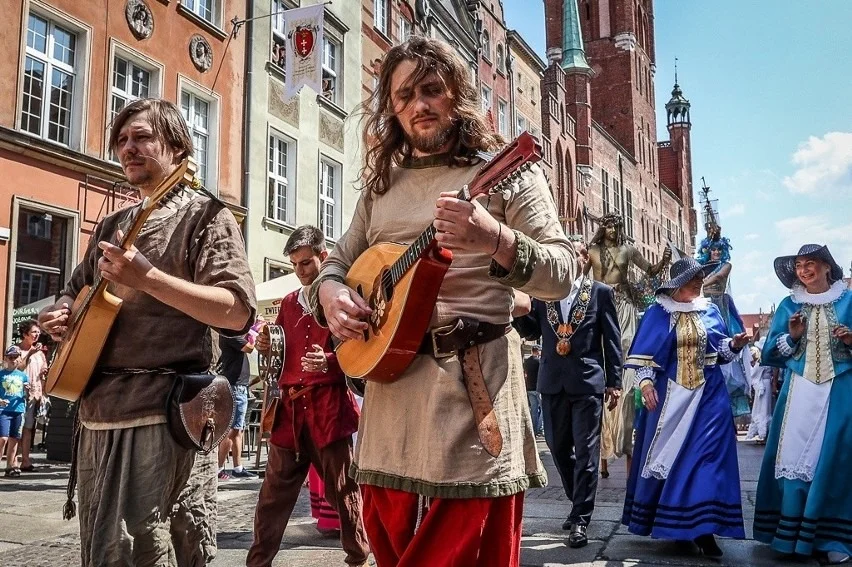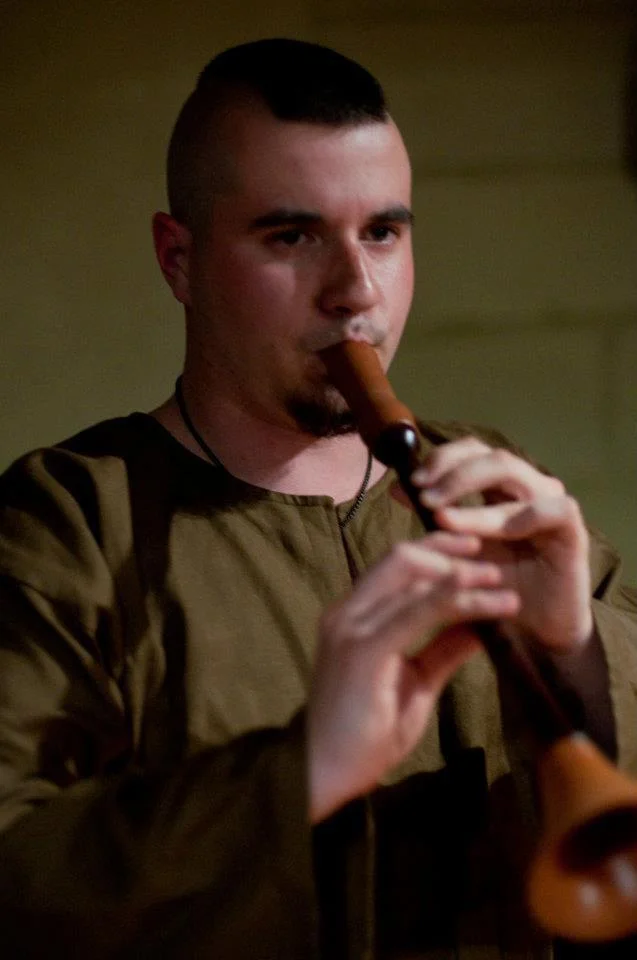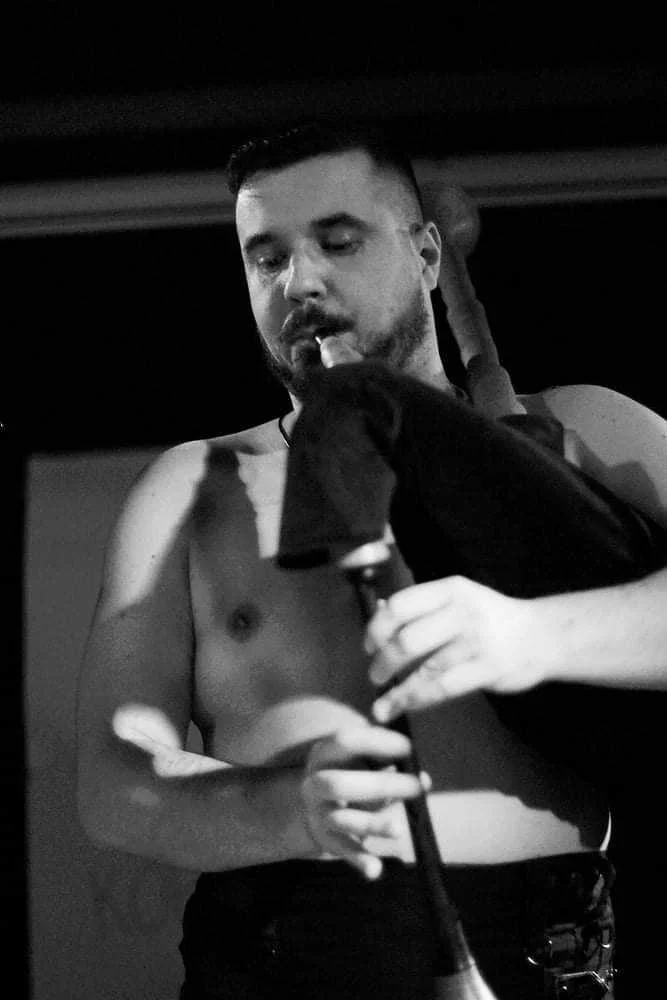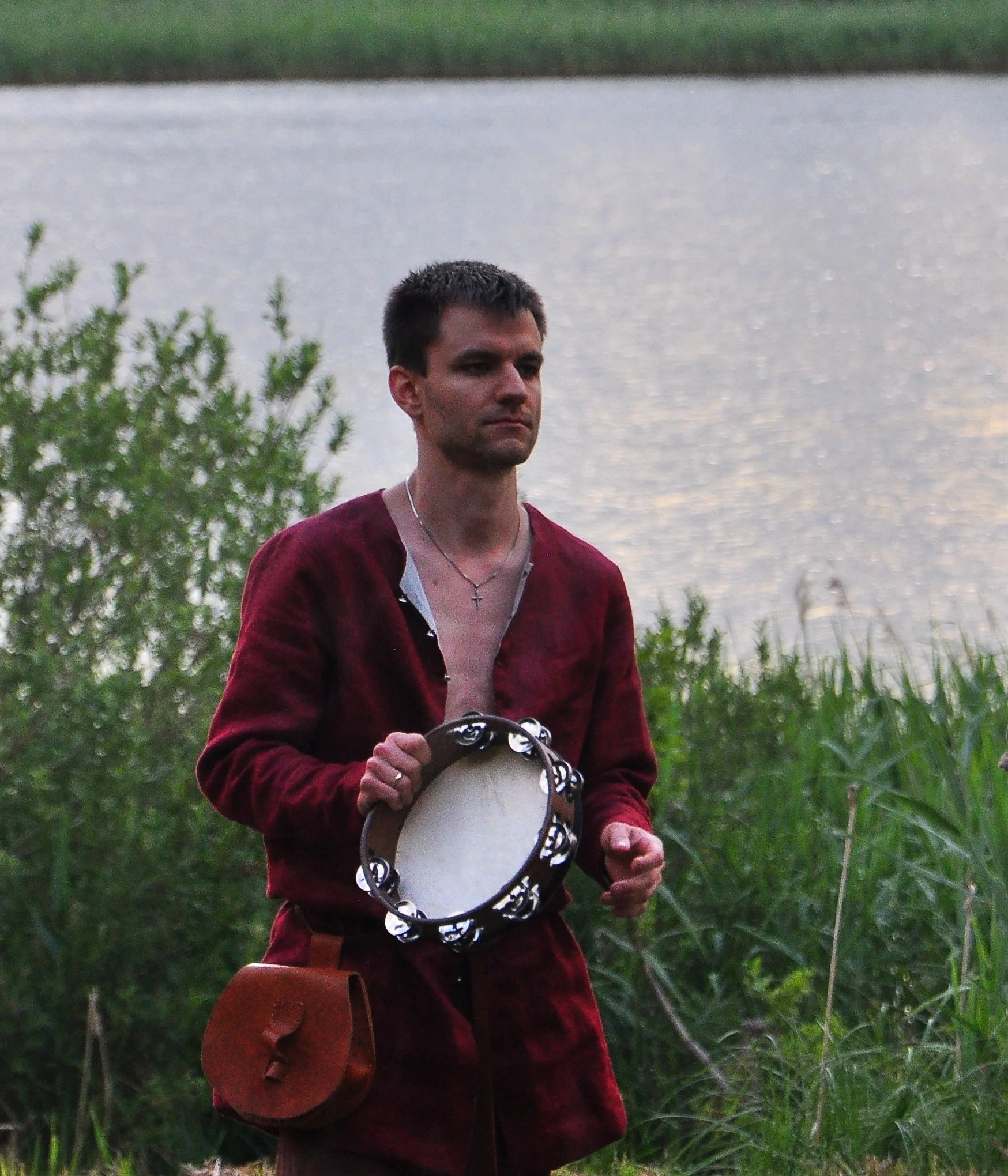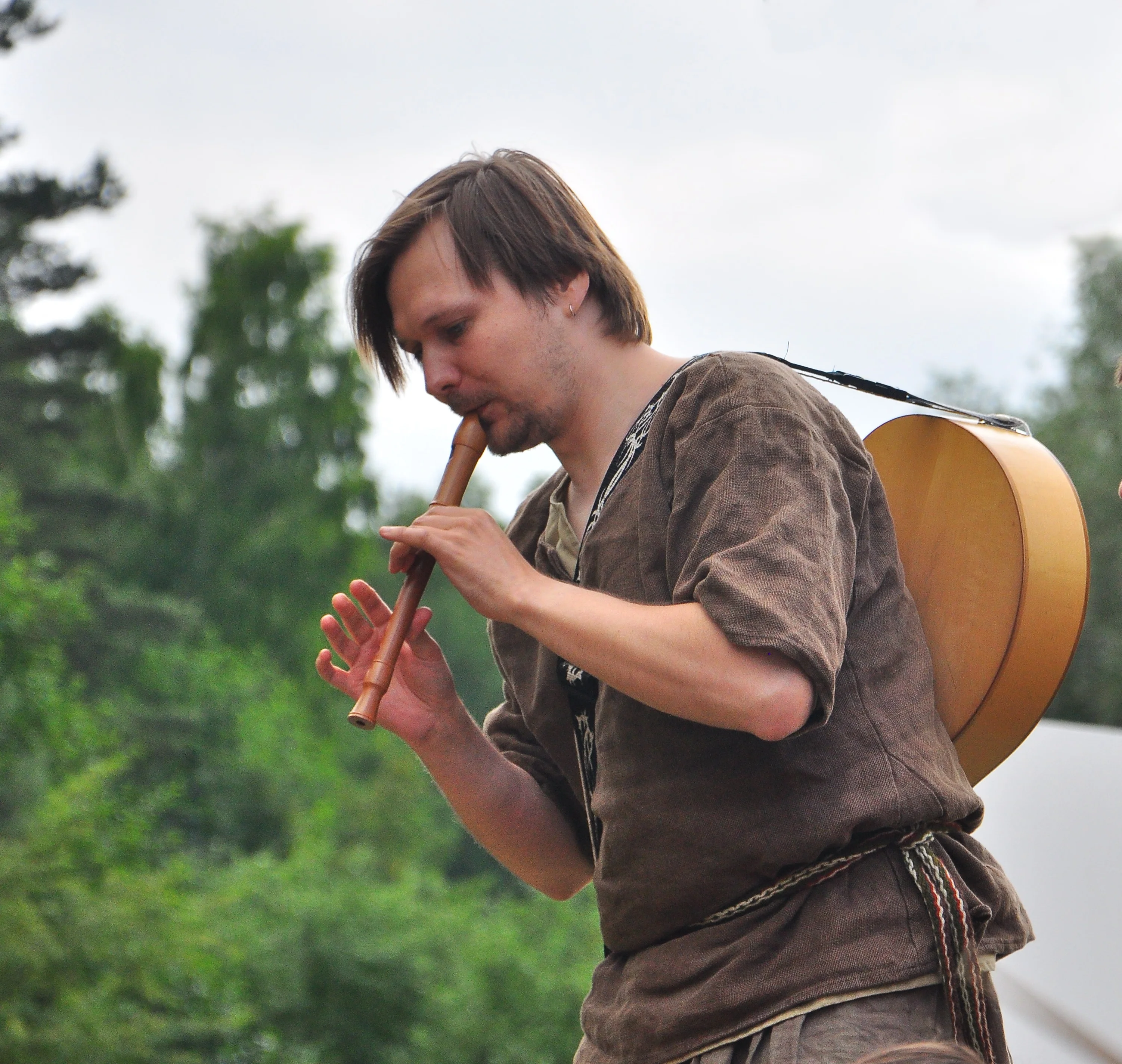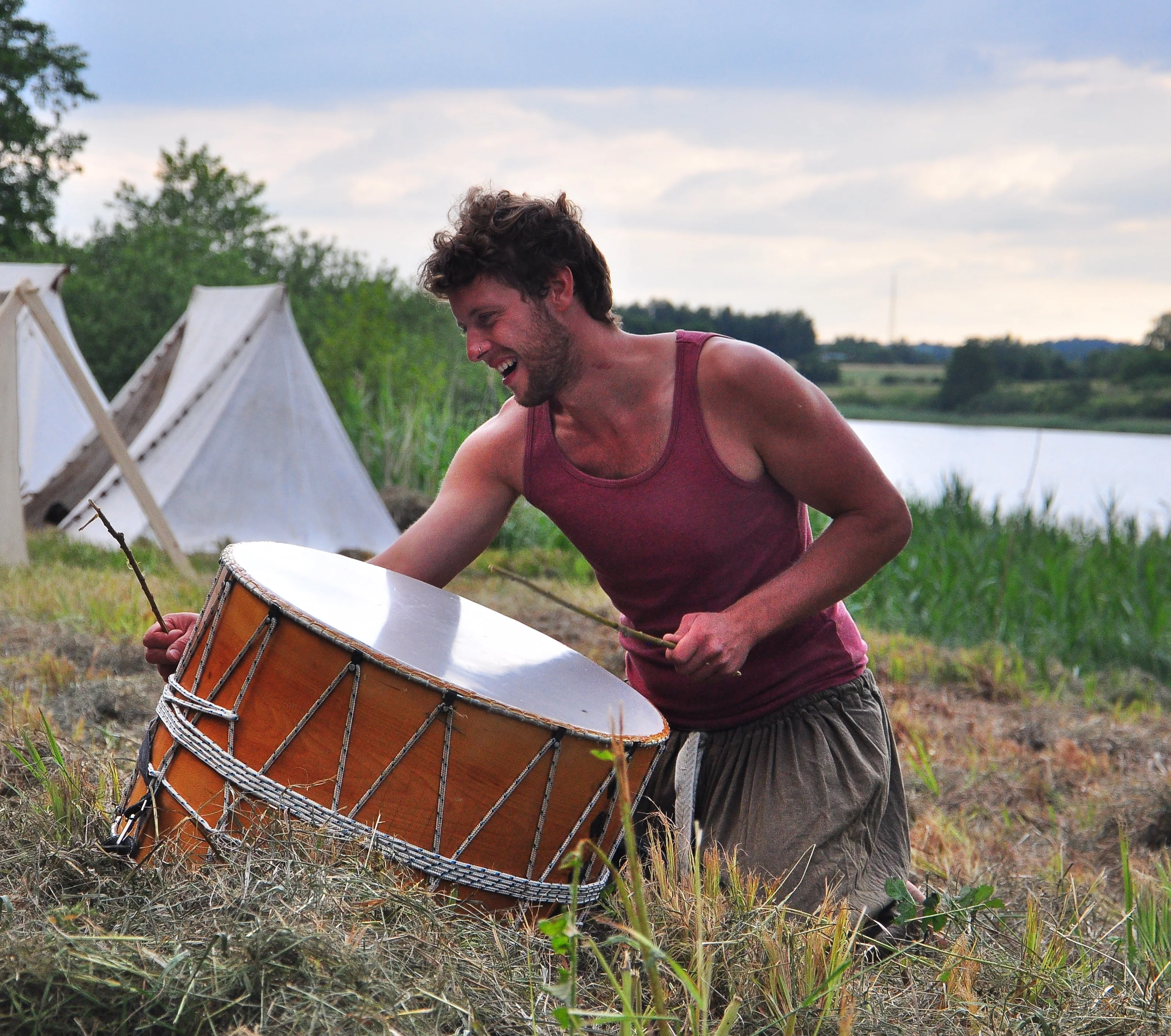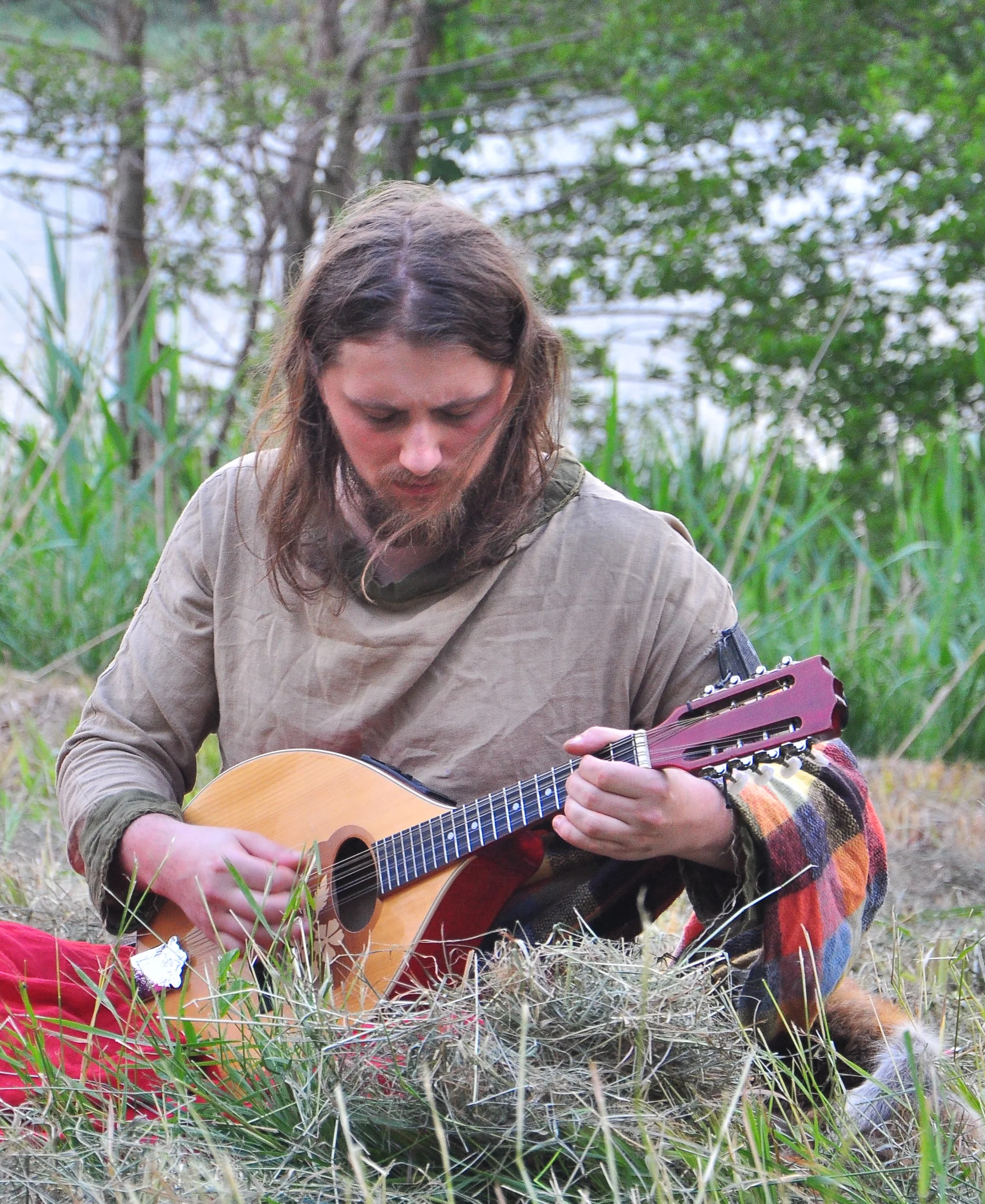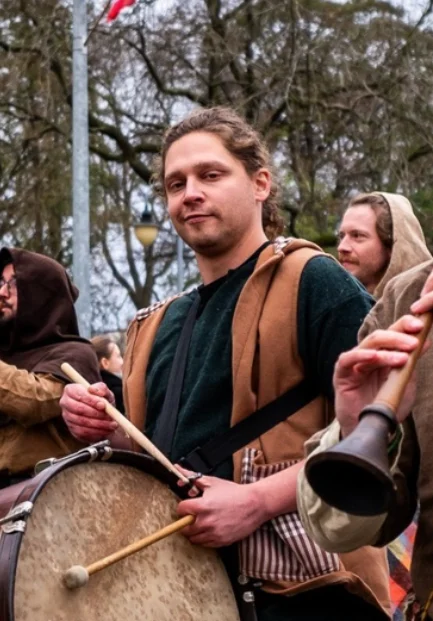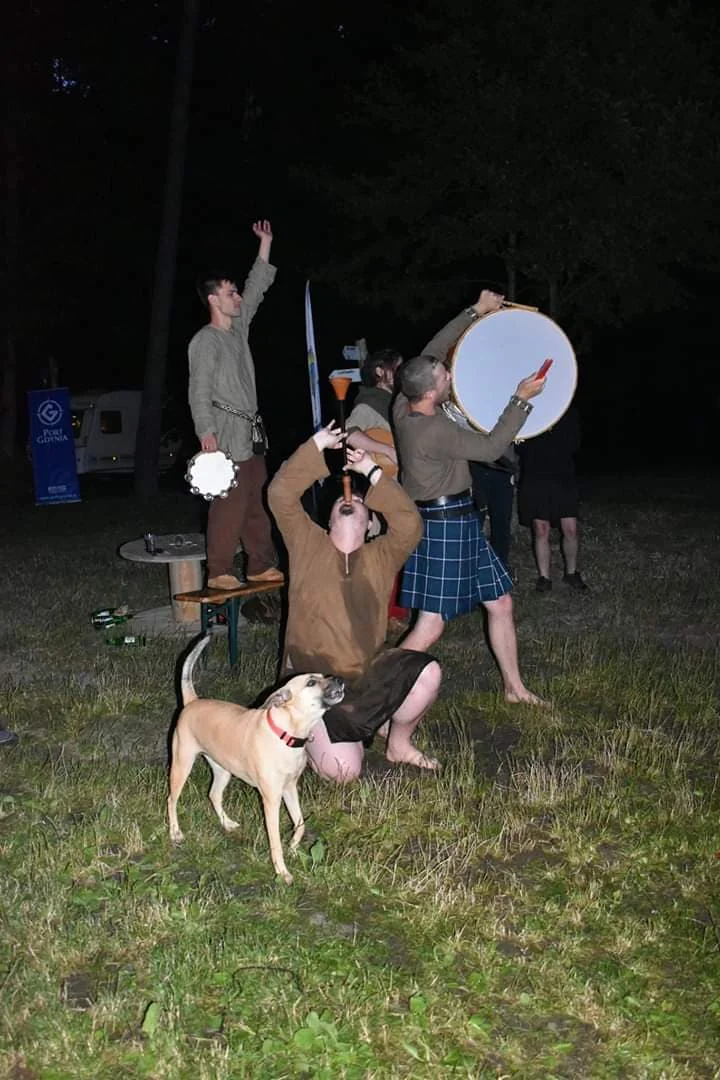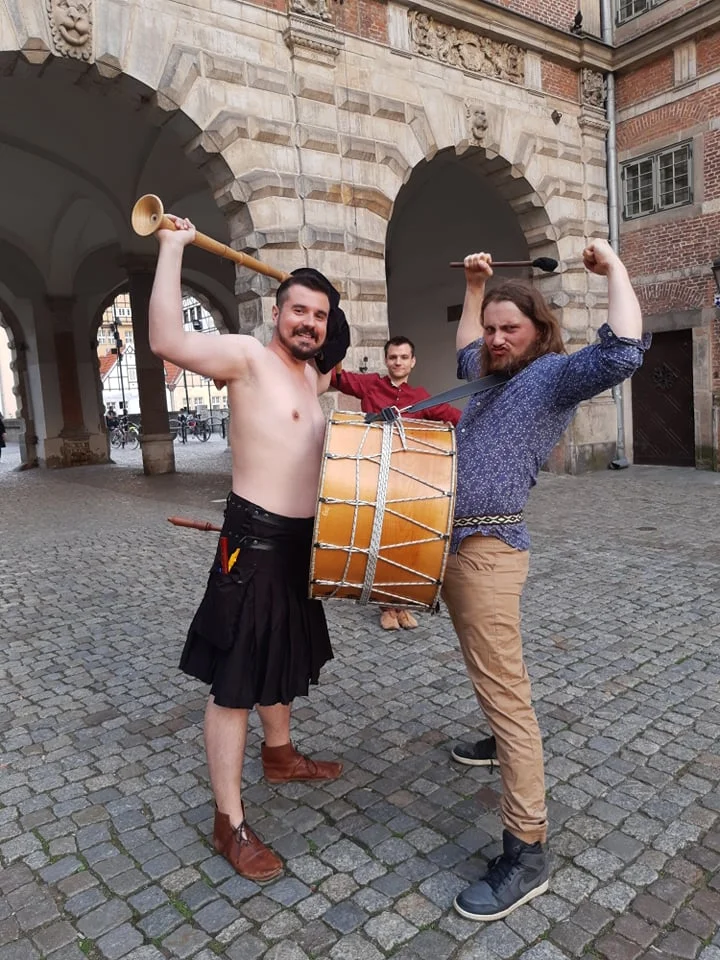
Long ago, in the coastal town of Rumia by the Baltic Sea, something stirred that can only be called fate. The year was 2008. Two schoolboys — Ariel and Maciej — decided one day that classroom walls were no place for the music they carried in their chests. They reached for a flute and a mandolin. No one knew then that those stolen afternoon notes were the first lines of a legend.
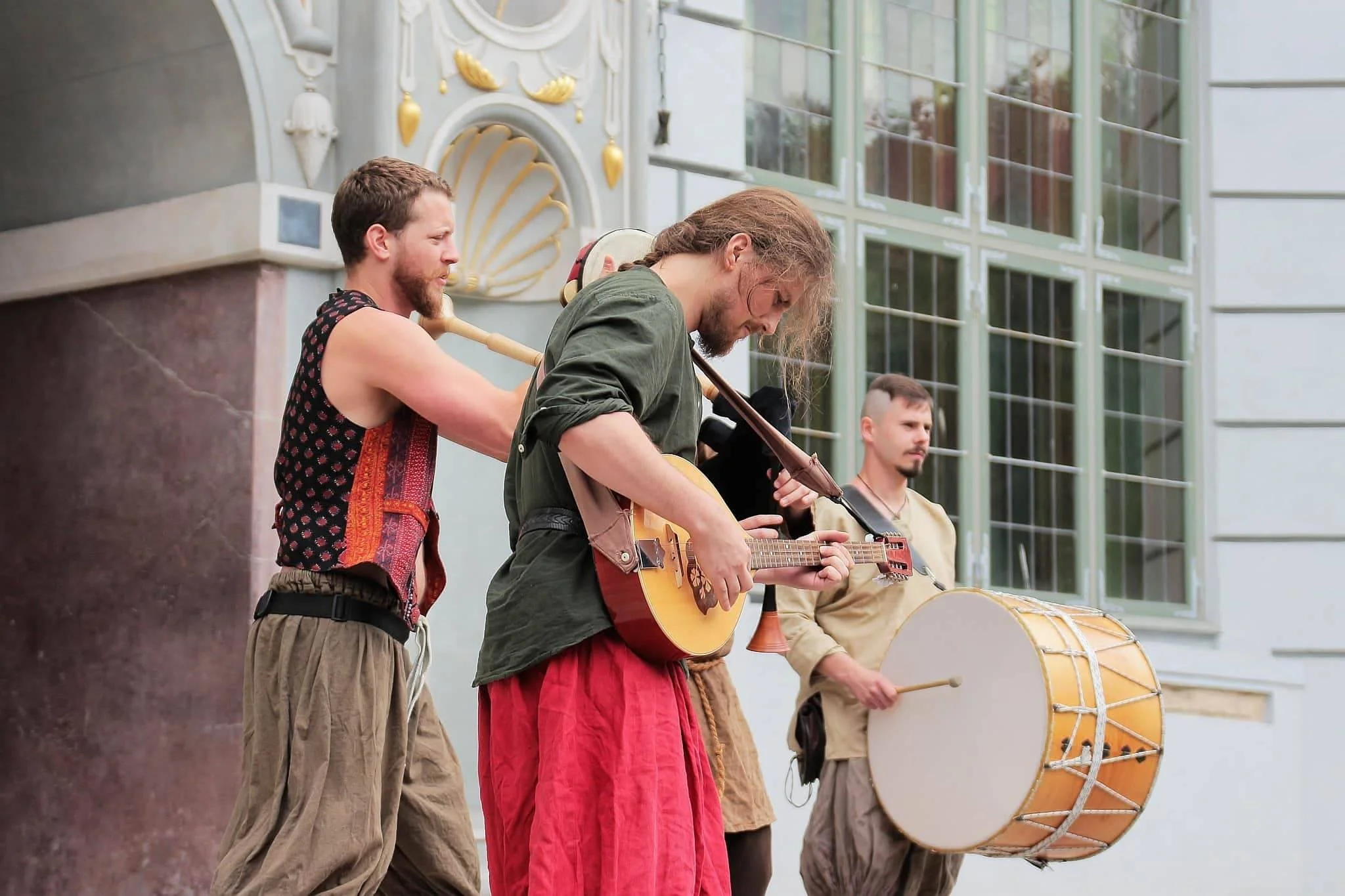
Truancy became their secret conservatory. Rehearsal followed rehearsal, and each note drew them closer to music the world seemed to have forgotten — the songs of troubadours, the dance rhythms of ancient taverns, the voices of instruments that ring today like echoes of another age. They saved for shawms and bouzoukis the way knights save for armour — coin by coin, year by year, with one thought fixed in mind: the first true concert.
"We do not merely interpret early music. We try to hear it as its creators might have heard it."
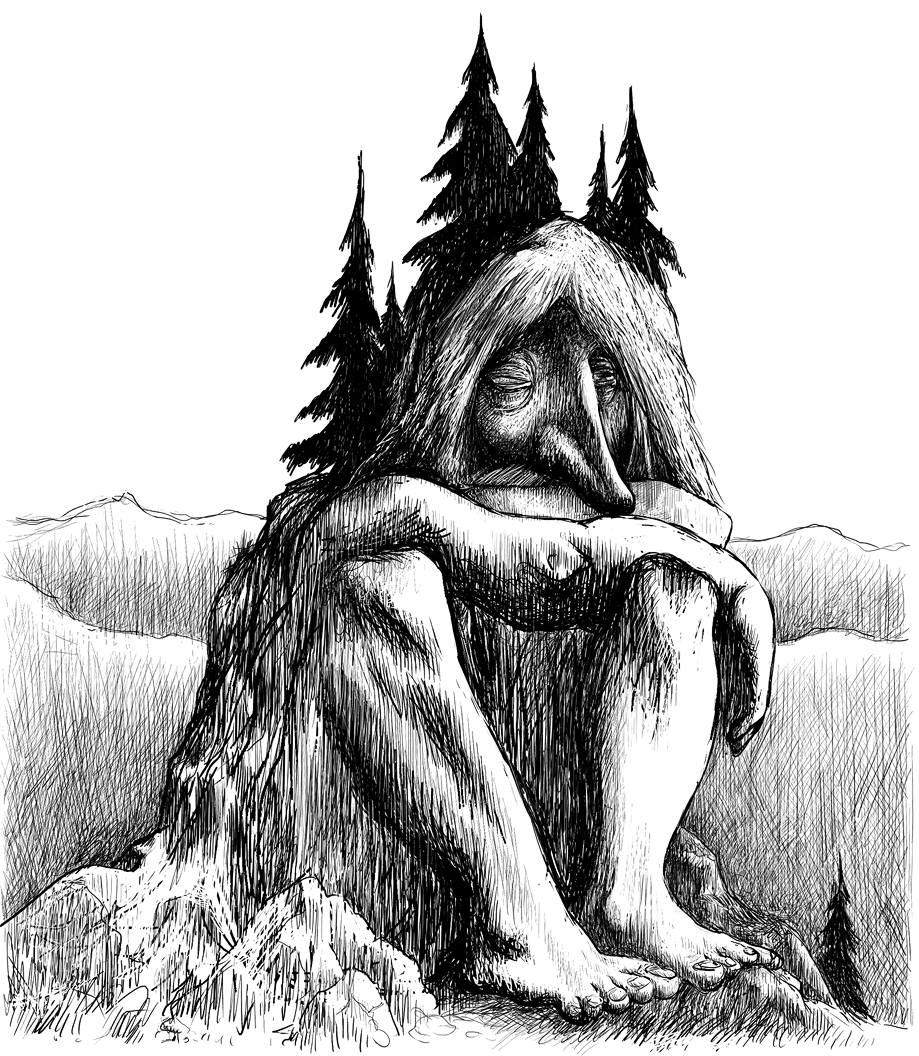
In 2012, inside a tavern hall in Rumia, shawms and an Irish bouzouki sang together for the first time. Rafał and Jędrzej joined the fellowship — and so the heart of Góra Trolla took shape. Four wandering minstrels that nothing would part.
From a suburban tavern to the whole of Poland — from the Gdynia club Ucho through Silesia to the market squares of Wielkopolska and the festivals of Kielce. Some weekends brought three concerts in a row. Then came 2025, and Góra Trolla crossed a border for the first time: in Bari, beneath the walls of a medieval castle, by the blue Adriatic, they played in honour of Bona Sforza. A Polish note drifted over an Italian sky.